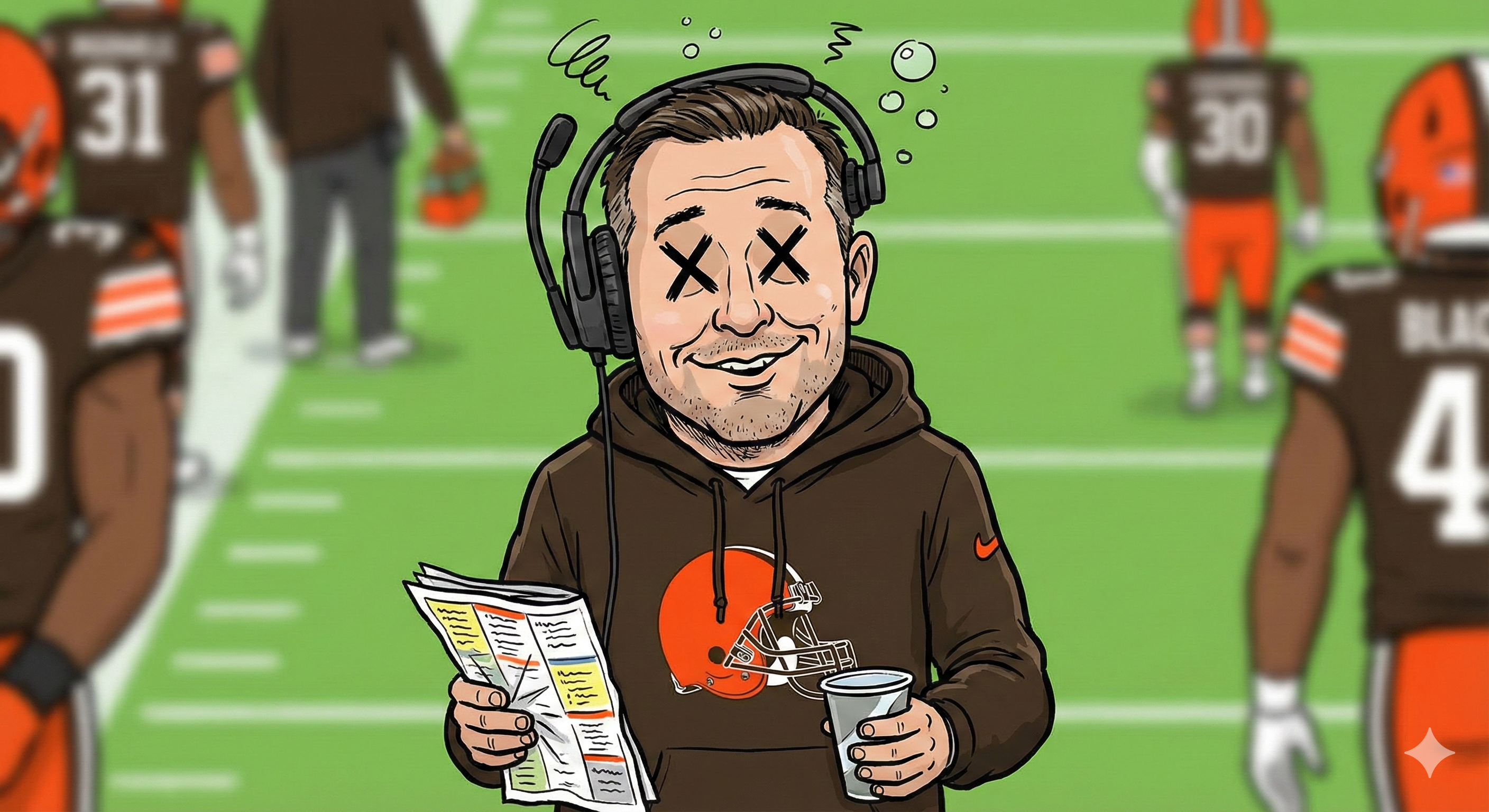


We’ve seen it a million times. We know the names.
Emmett Till. Brian Banks. Michael Irvin. Reuben Foster. Shawn Oakman. Ronald Cotton. Warren Moon. Kirby Puckett. Derrick Rose. Kobe Bryant. Miguel Sanó. Nate Parker. Freddie Gibbs. Anthony Anderson. Nelly. Chris Brown (France, 2019). Trey Songz (LA, 2018). Jonathan Majors. Jason Derulo (even though he’s corny AF). The Central Park Five: Korey Wise, Yusef Salaam, Kevin Richardson, Raymond Santana, and Antron McCray. The Scottsboro Boys: Haywood Patterson, Clarence Norris, Andy Wright, Charlie Weems, Ozie Powell, Willie Roberson, Olen Montgomery, and Roy Wright.
It could happen to any of us. That’s the uncomfortable truth. Her word is law, and your word ain’t worth shit. Unless you have incontrovertible DNA or clear videographic evidence, my brother in Christ, you are guilty of whatever she said you did.

And honestly, I’m sick of it. I’m tired of acting like I believe this shit, knowing that if I offend, put too much bass in my voice, or even just stand over someone with a menacing facial expression, my ass is grass. She can run to HR, the police, or the media. Everything you’ve worked for in life—that trade, that business, that acceptance letter, that endorsement, that income—it’s all gone because she said you did __ to her. I’m tired of acting like I believe the shit or think that my ni–, I mean, my brother should lose anything. How can the word of one person supersede decades of prudent decision-making, of avoiding stepping on that banana peel, or of evading putting your foot in your mouth, and be used to deprive you of life, liberty, and the pursuit of happiness?

Fuck That. I don’t believe you.
Next time she comes forth with a complaint, I need evidence. Do you have pictures? Do you have videos? Is there a pattern of behavior here? Can I level with you? Diddy? Yeah, he did that shit. A dramatic pattern of behavior congruent with said allegations, rumors swirling for 20, damn-near 30 years, and video evidence of pure fuckery. He was convicted in the court of law. You want to tell me Diddy did something? Ok, cool. I’m not pressing that. But Shawn Oakman? Kobe? Robbing my ni—, I mean, my brother of MVPs, accolades, and a legitimate shot at being the GOAT because of hotel activities between consenting adults? Nah. GTFOH. Fuck that. I don’t believe you.
I’m tired of pretending I do.
It fundamentally boils down to this. The society we live in speaks out of both sides of its mouth. “Equality for all. But, if she said you did something, we know you did that.”
Is a tool good or bad? We use fire to cook. Fire is used to commit arson as well. In the modern era, fire provides us greater utility than harm and is, thusly, an ultimately good tool for human thriving. Contrast this with a whip (not a car, bro). A whip is fine for handling livestock. But, we know what whips were used for. They are a tool of oppression.

These circumstances are undeniable, but it begs the question, where did this come from?
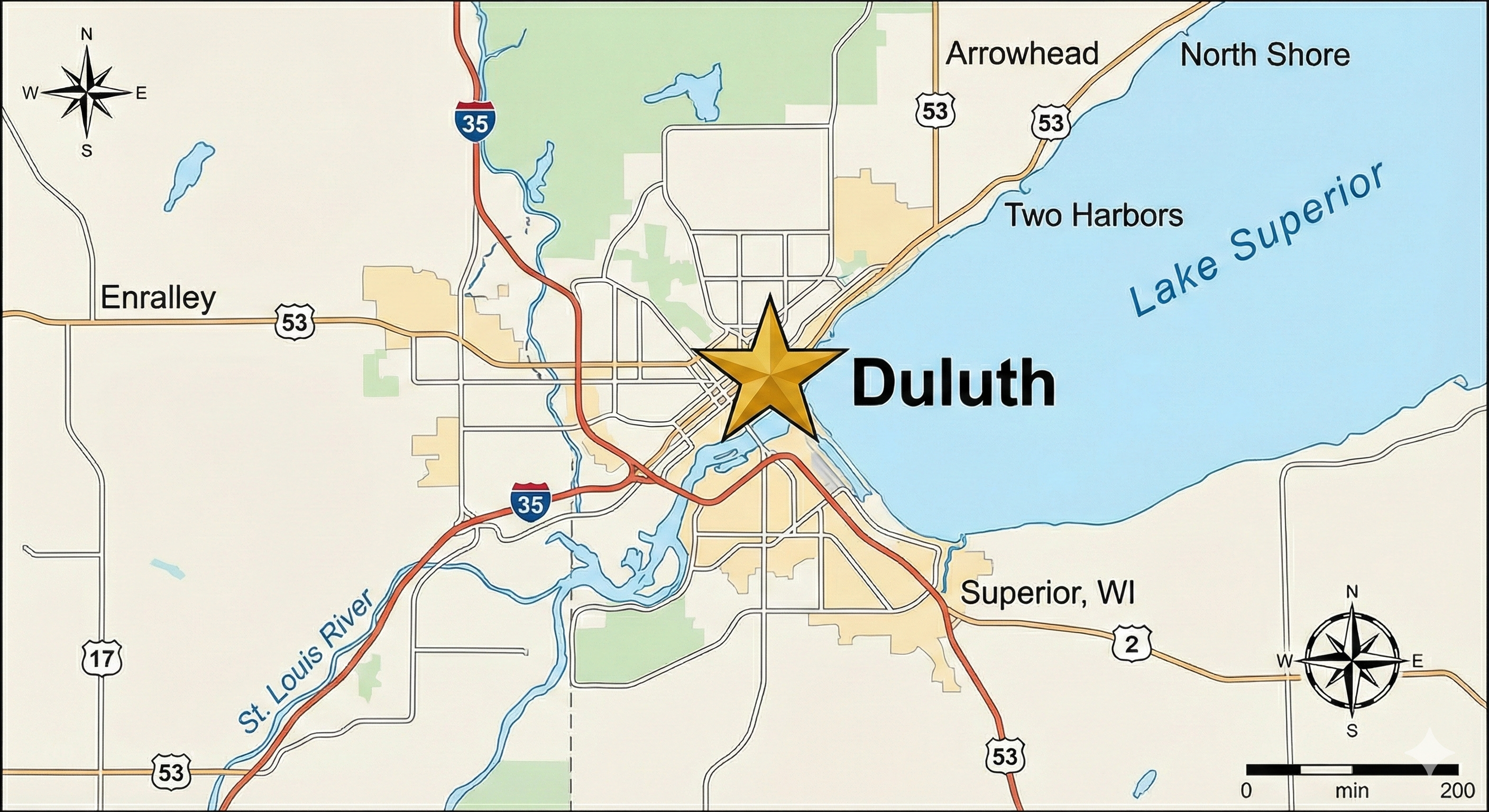
In Duluth, Minnesota in the 1980’s, Ellen Pence and Michael Paymar developed a framework for describing and rethinking the way America approaches domestic abuse. Their core philosophy argues against the individual’s substrate for domestic violence. For example, prior to the advent of this perspective, domestic abuse was attributed to mental illness, alcohol, and losing control of one’s temper—all reasonable conclusions. They instead posit that domestic abuse between a man and a woman is due to societal and systemic patriarchy. This philosophy is known as the Duluth Model.
They argue that violence is a tool used to preserve male dominance (e.g., patriarchy) and that society has historically reinforced men’s entitlement to control women. Furthermore, they describe associations and antecedents to violence, including but not limited to intimidation, emotional abuse, isolation, economic abuse, coercion, and threats. In response to such toxic masculinity, the State must respond in a coordinated fashion. The State must mandatorily arrest the accused. The State must NOT drop charges, even if the victim recants. The State must challenge the accused’s sense of entitlement and patriarchy, rather than provide cognitive behavioral therapy. The ostensible goal was to create relationships rooted in negotiation, fairness, shared responsibility, and economic partnership. Perhaps these are admirable goals.
The road to Hell is paved with good intentions.
Which group of men have dominated women? In which society did this occur? In which society was violence toward women tolerated, accepted, or praised? Historically speaking, it was certainly not Black men controlling the judiciary, business, education, military, medicine, media, or government. Where in the Western World have Black men even been in charge of one of these institutions? From this model, we observe an expansion in the ways and means of arresting men. In particular, Black men.
Rather than this ideology being used as a tool to protect women, it is used as a tool by the more numerous population in America to have plausible justification for the mass incarceration of Black men. It is but one arrow in the quiver of white supremacy.
But what should we do about it?

First, we must identify when the Duluth Model is being instantiated and call it out, describing it as “Duluth Ideology,” coming from an ivory-tower framework that unvirtuously expands the power of the state to arrest anyone for any reason, in violation of the Fourth Amendment. We must be keen not to dwell on the origins of the Duluth Model. Next, we must bring into question the character of the person using the Duluth Model, arguing that it is fundamentally un-American and antithetical to the common law tradition dating back to the Magna Carta in 1215. We should state that Extraordinary Claims Require Extraordinary Evidence. However, we must be extremely cautious about attacking the victim. This would be strictly unwise. We should strongly emphasize empathy for the victim, but justice for the accused. We must argue that it is the State’s job to find extraordinary evidence for extraordinary claims, not the victim’s job to produce it. In this way, we walk a tightrope. We characterize our adversaries as anti-American, anti-Western Duluth ideologues who, without requisite evidence, are committed to the destruction of, and hold a vendetta against, the ni–, I mean, brother in question. On the other hand, we talk eloquently about the trauma the victim experienced. The key is to make your adversary look unserious without attacking the victim.
The goal is not a world where victims are silent, but a world where an accusation is not a conviction. It is a world where a Kobe Bryant’s legacy, a Brian Banks’s youth, or an ordinary man’s reputation can only be taken by proof, not by presumption. We choose a system that fears imprisoning one innocent man more than it desires punishing a hundred guilty ones. We choose fire for cooking, not for arson. We choose tools that build, rather than a model that, however intended, has been used to break.